
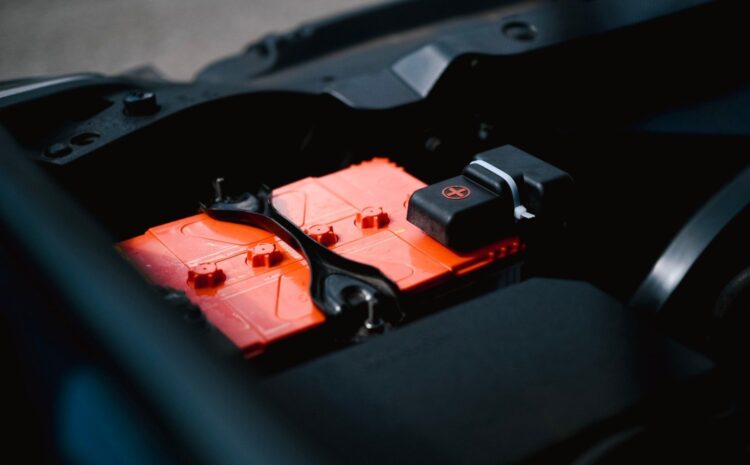
First Frost Kills Weak Batteries: The 3-Minute Test That Saves Hamilton Drivers a Tow
A battery that starts your car reliably on a mild afternoon may struggle when the first frosty morning arrives. That’s because cold weather makes it harder for a battery to deliver power just as your engine needs more energy to turn over. Summer heat can also wear a battery down gradually, with the first cold snap revealing that it no longer has enough reserve.
Before the temperature drops, take three minutes to notice a few warning signs. It won’t replace a proper battery test, but it can help you decide whether it’s time to book one, and may spare you an unexpected no-start.
Why cold mornings are tough on car batteries
Most conventional car batteries rely on chemical reactions to produce electricity. In colder temperatures, those reactions slow down, so the battery can deliver less starting power. At the same time, cold engine oil is thicker, which makes the engine harder to crank.
That combination can expose a battery that was already weakened. Heat, age, frequent short trips, and charging problems may all contribute to gradual wear. The battery might seem fine in warmer weather, then struggle when the first frost arrives.
The Consumer Reports guide to cold-weather car batteries explains why low temperatures can make starting more demanding. It’s a useful reminder that a battery’s age or resting voltage alone doesn’t tell the whole story.
Your three-minute battery check
Set aside a few minutes while the car is parked safely. This is a quick check for clues, not a substitute for a professional load test, and not a reason to handle battery cables.
1. Notice how the engine starts
When you start the car, listen for a slow, laboured crank or repeated clicking. If the engine turns over more slowly than usual, make a note of it. Cold weather can contribute, but a change in cranking speed can also be a sign that the battery or another part of the starting and charging system needs attention.
2. Watch the lights and electronics
Notice whether your headlights dim noticeably during startup, or if dashboard lights, windows, or other electrical features behave unpredictably. These symptoms can have more than one cause; they don’t prove the battery is failing. They do, however, give a technician useful information when diagnosing an electrical concern.
3. Check the battery’s age and visible condition
Look for a date label on the battery, if it’s accessible. A battery around three to four years old may be worth testing before winter, though actual service life varies with the vehicle, battery type, climate, and driving habits.
With the engine off, you can look for visible corrosion around the terminals. Don’t touch the terminals or try to remove cables. If the battery case appears damaged or swollen, avoid handling it and arrange an inspection.
If you notice one or more of these signs, book a battery and charging-system check rather than waiting to find out what happens on the coldest morning.
What a proper battery and charging-system test checks
A quick visual check can’t tell you how much starting power a battery can deliver. A proper assessment can help distinguish a worn battery from a charging issue or another electrical fault.
Depending on the symptoms and test results, an inspection may include:
- Battery load or conductance testing: Checks the battery’s ability to provide starting power. A low charge can affect results, so a technician may need to charge the battery and retest it before recommending replacement.
- Charging-system and alternator checks: Looks at whether the alternator and related circuits are maintaining the battery properly while the engine runs.
- Terminal and cable inspection: Checks for corrosion, loose connections, or resistance that could interfere with starting or charging.
- Parasitic-draw testing, if needed: Investigates whether something is continuing to draw power while the vehicle is parked. This deeper check is generally appropriate when a known-good, fully charged battery keeps going flat.
No single warning light or voltage reading tells the whole story. A weak battery, poor connection, charging fault, and unwanted electrical draw can produce similar symptoms. Proper testing helps narrow down the cause before parts are replaced.
Arrow Automotive Repairs specializes in electrical diagnostics and repairs. If you’re looking for car electrical repair in Hamilton, our technicians use diagnostic equipment to investigate the issue and explain what the findings mean. Learn more about our engine diagnostics and repair or our automotive repair services in Dundas.
If you need a battery replacement, the right fit matters
Replacing a battery is more than choosing one that fits under the hood. Your vehicle needs a battery that meets its specified size, terminal layout, and starting-power requirements. Some vehicles also require a particular battery type or a battery-management system procedure after installation.
A replacement chosen without checking those requirements may not perform as intended. A technician should confirm the correct specification, install and secure the battery properly, inspect the connections, and check that the charging system is operating as it should.
If testing shows the battery is healthy, replacement may not be the answer. A charging fault, corroded connection, or parasitic draw may be the real reason it’s losing power. That’s why an accurate diagnosis can save you from replacing a part that wasn’t the problem.
Keep an eye on battery connections
Corrosion around a battery terminal can interfere with a reliable electrical connection. If you spot buildup, have it inspected and cleaned safely. Avoid pouring liquids onto the battery or disconnecting cables yourself, especially if you’re unsure of your vehicle’s requirements. Modern vehicles can have sensitive electronics, and the correct procedure depends on the model.
It also helps to tell your mechanic about the pattern you’ve noticed: whether the car struggles after sitting overnight, whether the battery has gone flat more than once, and whether warning lights appeared. Those details can guide a more useful diagnosis.
For drivers looking for a mechanic in Hamilton or reliable car repair in Hamilton, clear explanations matter as much as the test itself. At Arrow Automotive Repairs, we provide digital photos of service and repair findings so you can see what we see and make an informed decision.
Don’t wait for the first no-start
A slow crank, dim lights at startup, electrical oddities, or an older battery are good reasons to arrange a check before the weather turns. A short screening may be quick, but a complete diagnosis can take longer if testing points to a charging issue or an electrical draw. Ask about availability when you book.
If you need battery replacement in Hamilton, a test can help establish whether the battery has actually failed and whether the charging system is contributing to the problem. Book a battery and charging-system check with Arrow Automotive Repairs at 200 King St. West in Dundas, Ontario, before the first frost. We’ll share what we find, provide digital images of relevant items, and keep you in the loop before you decide on any repairs.