
The Ultimate Guide to Preventative Vehicle Maintenance
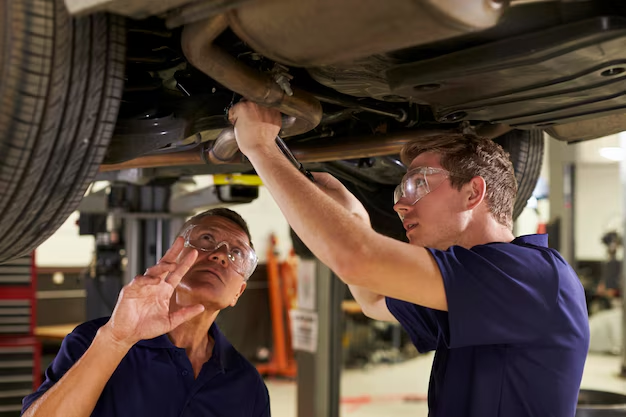
Owning a vehicle offers convenience and freedom, but it also comes with the responsibility of maintenance. Just like regular check-ups with a doctor can prevent health issues, preventative vehicle maintenance can help avoid costly repairs and ensure your car runs smoothly. In this guide, we’ll explore everything you need to know about keeping your car in top shape, so you can enjoy peace of mind on the road.
Understanding Preventative Maintenance
Preventative maintenance involves regular, routine procedures that help prevent unexpected breakdowns and extend your vehicle’s lifespan. By addressing small issues before they become big problems, you can save money and enhance your vehicle’s performance. Imagine driving on a busy highway when suddenly your car breaks down due to an issue that could have been prevented with routine maintenance. The inconvenience, the tow truck fees, and the potential repair costs far outweigh the investment in regular check-ups.
Why Preventative Maintenance Matters
Preventative maintenance is crucial for several reasons. Firstly, it ensures safety by minimizing the risk of car failures that could lead to accidents. Consider the consequences of brake failure at a crucial moment; regular inspections can prevent such scenarios. Secondly, it boosts efficiency, as a well-maintained vehicle consumes less fuel. For instance, a clogged air filter might seem minor, but it can decrease fuel efficiency by up to 10%, which adds up over time. Lastly, it protects your investment, as keeping your car in good condition helps retain its resale value. A car with a documented history of regular maintenance is more appealing to buyers and can command a higher price.
Key Components of Preventative Maintenance
Some key components of preventative maintenance include regular oil changes, tire rotations, brake inspections, and fluid checks. By consistently addressing these areas, you’ll prevent wear and tear from affecting your vehicle’s overall performance. For example, skipping regular oil changes might save you a bit of time and money upfront, but it could lead to engine damage that costs thousands to repair.
Regular Oil Changes
Oil is the lifeblood of your engine. Regular oil changes are essential for keeping your engine running smoothly and efficiently.
The Importance of Oil Changes
Oil lubricates the engine’s moving parts, reducing friction and preventing overheating. Over time, oil breaks down and becomes contaminated, which can lead to engine damage. Regular oil changes ensure your engine stays clean and functions properly. If you’ve ever seen a neglected engine with sludge build-up, you know how crucial clean oil is to avoid costly overhauls.
How Often to Change the Oil
Typically, it’s recommended to change your oil every 3,000 to 5,000 miles, but this can vary based on your vehicle’s make and model. Always refer to your owner’s manual or consult with a trusted mechanic to determine the best interval for your car. And remember, while synthetic oils may have a higher upfront cost, they often last longer and offer better protection, potentially saving money in the long run.
Tire Maintenance
Tires are your car’s connection to the road, and proper maintenance is crucial for safety and performance.
Checking Tire Pressure
Underinflated tires can lead to increased wear, reduced fuel efficiency, and a higher risk of blowouts. Check your tire pressure monthly and ensure it matches the manufacturer’s recommended levels. Keeping a tire gauge in your glove box is a simple step that can prevent uneven tire wear and improve gas mileage.
Tire Rotation and Alignment
Regular tire rotation promotes even wear, extending the life of your tires. It’s generally recommended every 6,000 to 8,000 miles. Additionally, ensure your wheels are properly aligned to avoid handling issues and uneven tire wear.
Brake System Inspection
Your vehicle’s brake system is its most critical safety feature. Regular inspections can help you avoid dangerous failures.
Signs Your Brakes Need Attention
Common signs that your brakes need attention include squeaking or grinding noises, a soft brake pedal, or longer stopping distances. If you notice any of these, it’s time to see a professional.
Maintaining Brake Fluid Levels
Brake fluid is essential for transferring hydraulic force into pressure, allowing your brakes to function. Check your brake fluid regularly and top it off as needed, or flush and replace it according to your vehicle’s maintenance schedule. Clean brake fluid can prevent corrosion in the brake system, avoiding future problems and keeping repair costs at bay.
Fluid Checks and Replacements
Your car relies on various fluids to function properly, including coolant, transmission fluid, and windshield washer fluid.
Coolant and Radiator Maintenance
Coolant prevents your engine from overheating. Check your coolant level regularly and ensure it’s topped off. Additionally, flush your radiator every two years or 30,000 miles to remove contaminants.
Transmission Fluid
Transmission fluid lubricates the moving parts inside your transmission. Check the level and condition regularly, topping off or replacing as needed to ensure smooth shifting and prevent transmission damage. A transmission rebuild can cost up to $3,500, making regular fluid checks a wise investment.
Battery Care
A healthy battery is vital for starting your car and powering electrical components.
Testing and Replacing Your Battery
Test your battery regularly, especially before extreme weather conditions. If it’s more than three years old or showing signs of weakness, consider replacing it to avoid unexpected failures.
Cleaning Battery Terminals
Corroded battery terminals can lead to poor connections. Clean them periodically to ensure your battery functions efficiently. Simple preventative measures like this can prolong battery life and save you from unexpected expenses.
Seasonal Maintenance Tips
Different seasons bring unique challenges for your vehicle. Adapting your maintenance routine can help you stay prepared year-round.
Preparing for Winter
Winter can be harsh on your car. Check your antifreeze levels, switch to winter tires, and ensure your heating system is working properly. Investing in winter tires might seem costly upfront, but can prevent accidents and improve safety on icy roads.
Getting Ready for Summer
Summer heat can cause your engine to overheat. Ensure your cooling system is in good condition, and check your air conditioning system for optimal comfort during hot months. Proper maintenance can prevent costly repairs and keep you cool all summer long.
Call to Action: Trust Arrow Automotive Repairs
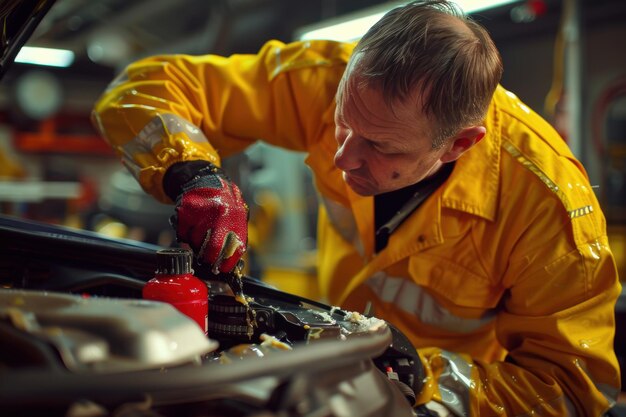
Maintaining your vehicle doesn’t have to be overwhelming. At Arrow Automotive Repairs in Dundas, Ontario, our skilled technicians are ready to help with all your preventative maintenance needs. From oil changes to brake inspections, we ensure your car stays in top condition.
Contact us today to schedule an appointment and keep your vehicle running smoothly, season after season. Let us help you protect your investment and enjoy the ride with confidence.