
Auto Diagnostics: Essential Checks for Accurate Vehicle Health Assessment
Modern vehicles are complex machines equipped with intricate systems that require regular maintenance to function optimally. Auto diagnostics play a critical role in assessing a vehicle’s health, ensuring small issues don’t turn into expensive repairs. From interpreting engine light codes to using OBD diagnostics, the process helps fix vehicle issues. It provides an accurate view of what’s happening under the hood.
In this article, we’ll delve into the essentials of auto diagnostics, explore key components, and highlight why regular diagnostic tests for cars are a must for every vehicle owner.
What Are Auto Diagnostic Tests?

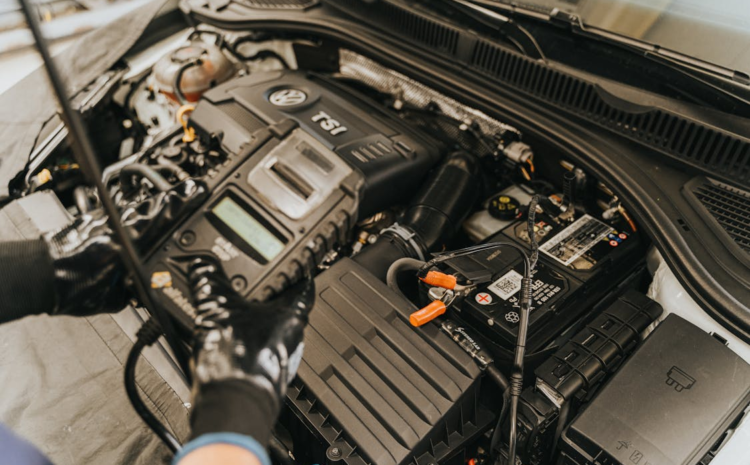
Auto diagnostic tests are procedures used to identify and assess issues in a vehicle’s mechanical and electronic systems. They use advanced diagnostic tools. These connect to the vehicle’s OBD, or On-Board Diagnostics, systems. These tests analyze data from various car sensors and systems. They provide detailed insights into potential malfunctions.
Diagnostic tests for cars are invaluable because they take the guesswork out of troubleshooting. These tests quickly find the problem area. They save time and effort. Routine tests catch issues early. They prevent breakdowns and costly repairs.
Key Components of Auto Diagnostics
A comprehensive diagnostic test examines several critical vehicle components. These include:
- Engine and Transmission: The engine and transmission are the heart of your vehicle. Diagnostics can detect issues such as misfires, transmission slipping, or fuel inefficiencies.
- Exhaust and Emissions Systems: Modern diagnostics also assess the health of emission control systems, ensuring compliance with environmental regulations.
- Brakes and Suspension: Proper functioning of brakes and suspension is essential for safety. Diagnostics can identify worn components that may impact vehicle stability.
- Battery and Electrical Systems: Battery health and electrical issues, such as faulty wiring or sensors, are crucial aspects of diagnostics.
By addressing these components, auto diagnostics ensure your vehicle is safe, efficient, and reliable.
The Role of OBD Diagnostics in Modern Cars
OBD diagnostics revolutionized the way vehicles are maintained and repaired. Originally introduced in the 1980s, OBD systems allow vehicles to self-monitor and report errors. Modern OBD-II systems provide standardized engine light codes and diagnostic data. You can access them via specialized scanners.
When an issue arises, the OBD system triggers a “Check Engine” light on the dashboard. Mechanics use this system to interpret the codes and determine the cause of the problem. OBD diagnostics have made it easier to troubleshoot vehicle issues. They ensure repairs are timely and accurate.
For example, if a car’s fuel system has a minor leak, the OBD system generates a code that pinpoints the issue. This helps the technician fix it before it becomes a bigger problem.
Understanding Engine Light Codes
The “Check Engine” light is one of the most recognizable signals that something might be wrong with your vehicle. However, its meaning can vary widely depending on the engine light codes it generates.
Engine light codes are alphanumeric identifiers categorized into:
- Powertrain Codes: Issues with the engine, transmission, or associated components.
- Chassis Codes: Problems with systems like brakes, suspension, or steering.
- Body Codes: Concerns related to interior features, such as airbags or climate control.
- Network Codes: Errors in communication between the vehicle’s electronic modules.
Ignoring engine light codes can lead to further damage. A code for a failing oxygen sensor might seem minor. But, it could reduce fuel efficiency or damage the catalytic converter if ignored.
Common Vehicle Issues Diagnosed with Auto Diagnostics

Some of the most frequent problems identified during diagnostic tests include:
- Sensor Failures: Sensors like oxygen, mass airflow, or crankshaft sensors are vital for optimal vehicle performance. Faulty sensors can disrupt the engine’s efficiency.
- Faulty Spark Plugs: Misfiring spark plugs can lead to rough idling, poor acceleration, and reduced fuel efficiency.
- Battery and Alternator Problems: A weak battery or failing alternator often triggers diagnostic alerts before a breakdown occurs.
- Emission System Faults: Issues like a clogged catalytic converter or malfunctioning EGR valve can impact both performance and emissions.
These issues, when diagnosed early through OBD diagnostics, can be resolved promptly, saving time and money.
Why Routine Diagnostic Tests Are Vital
Routine diagnostic tests for cars are essential for several reasons:
- Enhanced Vehicle Performance: Diagnostics help identify performance bottlenecks, ensuring your vehicle operates at its best.
- Extended Lifespan of Components: Diagnostics prevent further damage by addressing wear and tear early. This extends the lifespan of components.
- Reduced Repair Costs: Early detection of problems means smaller, less expensive fixes.
According to industry studies, regular diagnostic checks can reduce the risk of unexpected breakdowns by up to 30%. By catching problems before they become critical, these tests help drivers. They make for a smoother driving experience.
How Arrow Automotive Repair Ensures Accurate Diagnostics
At Arrow Automotive Repair, we use advanced tools to find and fix vehicle issues. Our skilled technicians can read engine light codes and run OBD tests. They will provide solutions tailored to your vehicle’s needs.
We pride ourselves on a thorough approach that ensures no issue goes unnoticed. From fixing vehicle issues to addressing sensor and emissions faults, Arrow Automotive Repair delivers precise, reliable results.
DIY vs. Professional Diagnostics: Why Expertise Matters
While DIY diagnostic tools are available, they cannot match the accuracy and depth of professional services. Here’s why:
- Limited Capabilities: DIY tools often provide only basic engine light codes, leaving many potential issues undiagnosed.
- Expert Interpretation: Professional technicians don’t just read the codes—they analyze them in the context of your vehicle’s condition.
- Comprehensive Checks: Professional diagnostics cover a wider range of systems, ensuring nothing is overlooked.
DIY vehicle repairs can sometimes worsen issues instead of fixing them. Trusting professionals like Arrow Automotive Repair ensures precise and effective diagnostics.
Auto diagnostics are an indispensable part of maintaining your vehicle’s health. These tests detect sensor failures and interpret engine light codes. They show your car’s condition and help prevent costly repairs later. Diagnostic tests for cars ensure your vehicle runs well. They help, whether the issue is minor or serious. Don’t wait for a small issue to become a big problem. At Arrow Automotive Repair, our expert techs use advanced tools to keep your vehicle in top condition. Schedule your diagnostic test today and experience the confidence of driving a well-maintained car!