
Do You Actually Need Winter Tires in Hamilton? An Honest Answer
If you drive in Hamilton through winter, you’ve probably wondered whether winter tires are really necessary, or whether a good set of all-seasons will do. The honest answer depends on how often you drive and what conditions you face. But if you’re on the road most days, winter tires are the safer choice.
They aren’t a guarantee against sliding, and they don’t replace careful driving. What they can do is give your vehicle more grip when temperatures drop and roads are covered in snow, slush, or ice.
Why the 7°C guideline matters
Tires are made with rubber compounds designed to work across particular temperature ranges. As temperatures fall, many all-season tires become firmer and less flexible. That can reduce their ability to conform to the road surface and maintain grip.
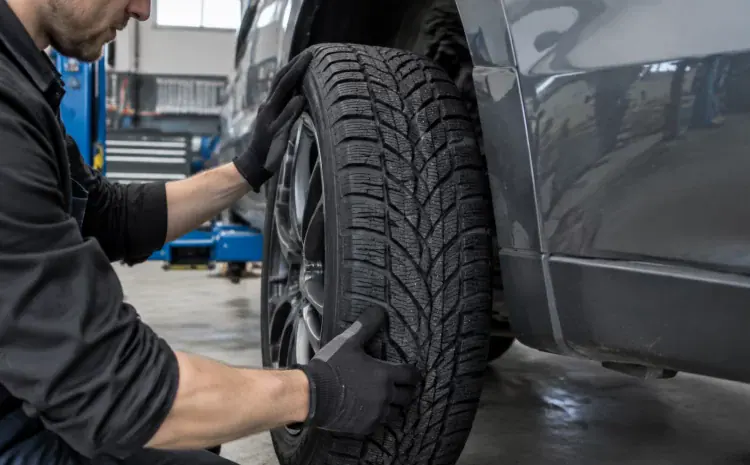
Winter tires use a compound designed to stay more flexible in cold conditions. Their tread patterns are also designed to help manage snow and slush. The often-mentioned 7°C guideline is a useful reminder: when temperatures consistently fall below that point, all-season tire performance in cold weather can start to suffer.
It’s a guideline, not a switch that makes your tires suddenly unsafe at one exact temperature. Actual grip depends on the tire, the road surface, your speed, and driving conditions. Ontario’s winter driving guidance recommends winter tires to help improve traction and control in winter weather.
What changes on snow, slush, and ice?
A tire affects more than whether your vehicle can get moving. It also matters when you need to slow down, turn, or make a small correction on a slippery road.
Winter tires can provide better traction for braking and cornering in cold-weather conditions than many all-season tires. That extra grip can help you maintain control on snow-covered roads and in slush. On ice, conditions can still be very slippery, so you’ll need to leave extra space and drive smoothly even with winter tires installed.
Think of winter tires as added support, not permission to drive as if the road were dry. Reduce your speed when conditions call for it, avoid sudden braking or steering, and leave more room between your vehicle and the one ahead.

Look for the Three-Peak Mountain Snowflake symbol
When shopping for winter tires, look for the Three-Peak Mountain Snowflake (3PMSF) symbol on the tire’s sidewall. It shows that the tire meets a defined performance standard for severe snow conditions.
The symbol is a useful way to identify tires designed for winter traction, but it doesn’t mean every tire with the marking performs identically. Tire condition, tread depth, vehicle setup, and the road surface all affect how your car handles. Ontario recommends using four winter tires rather than mixing different tire types on the same vehicle.
Does all-wheel drive mean you can skip winter tires?
No. All-wheel drive and four-wheel drive can help a vehicle get moving by sending power to more than two wheels. They don’t create extra grip for braking or cornering.
In simple terms, AWD may help you go, but it doesn’t automatically help you stop. Your tires are still the only part of your vehicle that contacts the road. If you rely on your vehicle for a daily commute or regular winter driving, winter tires remain an important part of your safety setup, even if you have AWD or 4WD.
So, do you actually need winter tires?
If you drive daily, commute, or regularly use escarpment routes, winter tires are the safer choice. They’re especially worth considering if you need your vehicle for work, appointments, or other essential trips and can’t simply wait for roads to improve.
If you barely drive during winter and can leave your vehicle parked when conditions are poor, your needs may be different. A quality set of all-weather tires may be a reasonable compromise for some drivers. All-weather tires are designed for year-round use and may carry the 3PMSF symbol, but they aren’t the same as dedicated winter tires. Consider how often you drive in severe conditions and check the tire manufacturer’s guidance for the model you’re considering.
There isn’t one answer that fits every driver. The most useful question is: Will you need to drive when the roads are cold, snowy, or icy? If the answer is yes, winter tires are a sound safety investment.
What about an insurance discount in Ontario?
Many insurers offer a discount for vehicles equipped with qualifying winter tires. Requirements can vary: your insurer may require four matching tires, ask for proof of purchase or installation, or set specific dates for when the tires need to be on the vehicle.
Don’t assume a discount applies automatically or that every policy uses the same rules. Check directly with your insurer before you buy or book a changeover. Ontario’s regulation requires insurers to include a winter-tire discount in their rating systems, but the specific eligibility details and discount amount depend on the insurer and policy. You can read the Ontario regulation and confirm your own requirements with your insurance provider.
When should you install winter tires?
A practical time to switch is when temperatures consistently stay below 7°C. Waiting until the first major snowfall can mean you’re driving on a less suitable setup while you wait for an appointment. When spring temperatures are consistently warmer, you can arrange to switch back to your other set.
During a changeover, it’s also a good opportunity to check tire condition and pressure. Cold weather can affect tire pressure, and uneven wear or poor alignment can reduce the useful life of a set. Ask your technician whether an alignment check is appropriate for your vehicle, especially if it pulls to one side or the tires show uneven wear.
A confident winter setup starts with clear information
For drivers considering winter tires in Hamilton, the right choice comes down to your routine and how much winter driving you can avoid. If you’re on the road regularly, winter tires can provide valuable cold-weather traction. If you drive only occasionally, all-weather tires may suit your needs, but no tire removes the need to slow down and leave extra room in winter conditions.
If you’re planning a changeover, Arrow Automotive Repairs’ tire and alignment service includes seasonal tire changeovers, tire inspections, and wheel alignment services. Whether you’re looking for a mechanic in Hamilton or a mechanic in Dundas, our team can check your tire pressure and discuss whether an alignment check makes sense. We’ll share digital photos of service and repair items so you can see what we see and stay in the loop before making decisions. Book a tire changeover when you’re ready.